

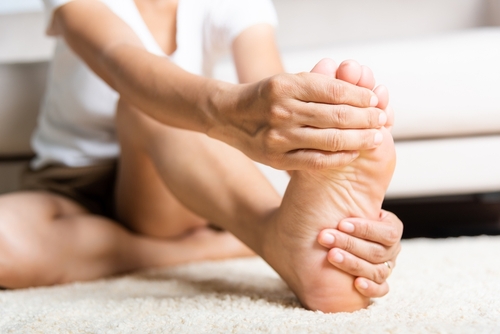
Plantar Fasciitis Treatment in Maineville and Mason OH
Heel pain has a way of making ordinary movement frustrating. The first few steps out of bed may hurt. Walking after sitting for a while can feel uncomfortable. Running, exercising, standing at work, or simply spending a full day on your feet may become harder than it should be.
Patients looking for plantar fasciitis treatment in Maineville OH or plantar fasciitis treatment in Mason OH often want to know why the heel keeps hurting and what they can do about it.
At Elite Chiropractic, we look at the painful area, but we also consider foot and ankle mobility, calf flexibility, previous injuries, activity changes, footwear, and how the rest of the lower extremity is moving.
Many of our patients live in Maineville and Mason, with others coming from Landen, Kings Mills, Lebanon, Loveland, South Lebanon, and nearby communities.
What Is Plantar Fasciitis?
The plantar fascia is a strong band of connective tissue that runs along the bottom of the foot from the heel toward the toes. It helps support the arch and plays an important role in managing forces when you stand, walk, and run.
Plantar fasciitis develops when this tissue becomes irritated or overloaded. Pain is commonly felt near the bottom or inside portion of the heel and may sometimes extend into the arch.
Although the condition is commonly called plantar fasciitis, long-standing cases may involve changes within the plantar fascia that are more complex than simple inflammation.
What Does Plantar Fasciitis Feel Like?
The pattern of symptoms can provide useful clues. One of the most recognizable signs is heel pain during the first few steps after getting out of bed.
Common Plantar Fasciitis Symptoms
- Sharp or stabbing pain underneath the heel
- Heel pain during the first few steps in the morning
- Pain when standing after sitting for a long time
- Discomfort after prolonged standing or walking
- Heel pain after running or exercise
- Tightness through the arch of the foot
- Calf or Achilles tightness
- Symptoms that improve after moving but return later in the day
Not everyone has the same pattern, and not every painful heel is plantar fasciitis. That is why persistent heel pain should be evaluated rather than automatically assuming the plantar fascia is responsible.
Why Does Plantar Fasciitis Hurt in the Morning?
Morning heel pain is one of the classic complaints associated with plantar fasciitis.
While you are sleeping, the foot remains relatively inactive for several hours. When you stand and begin walking again, the plantar fascia is placed under tension as your body weight moves through the foot.
If the tissue is irritated, those first steps may be especially uncomfortable.
A similar pattern may occur after sitting at a desk, driving for a long period, watching television, or resting after exercise. The first few steps after getting up may hurt before the foot begins to loosen.
What Causes Plantar Fasciitis?
Plantar fasciitis usually does not have one single cause. Several factors may increase the amount of stress placed on the plantar fascia or affect how well the foot handles repeated loading.
Changes in Activity
Increasing running mileage, beginning a new workout program, walking considerably more than usual, or returning to sports after time away can increase the load placed on the foot.
Long Periods of Standing
People who spend much of the workday standing or walking may place repeated stress through the heel and arch, especially on hard surfaces.
Calf Tightness and Ankle Mobility
Limited ankle motion or tight calf muscles can change how the lower leg and foot move during walking, running, squatting, and other activities.
When ankle motion is restricted, other areas may compensate. This may change the forces moving through the foot and plantar fascia.
Foot Mechanics
The foot does not work independently from the rest of the leg. Ankle movement, foot mobility, knee mechanics, hip control, and walking or running patterns may all influence how forces are distributed.
Footwear
Changes in footwear, worn athletic shoes, inadequate support, or suddenly spending considerably more time barefoot may contribute to symptoms in some people.
Running and Sports
Running, jumping, court sports, and other repetitive activities place significant demands on the feet. Training volume, recovery, mobility, strength, footwear, and previous injuries may all influence how well those forces are managed.
Plantar Fasciitis or Another Cause of Heel Pain?
Heel pain does not automatically mean plantar fasciitis.
Other problems can produce symptoms in the same general area, including Achilles tendon problems, stress injuries, nerve irritation, bursitis, trauma, and other foot or ankle conditions.
The location of the pain, how it started, when it occurs, whether there was an injury, and what makes it better or worse can all help narrow down the likely cause.
If you have more general foot or ankle symptoms, you may also want to read our guide to foot and ankle pain treatment in Maineville and Mason OH.
What a Plantar Fasciitis Evaluation May Include
A useful evaluation begins with your history.
When did the heel pain begin? Is it worse first thing in the morning? Did symptoms start after increasing your activity? Are you running more? Standing more at work? Did you change shoes? Have you had a previous ankle injury?
The Examination May Include
- Location of heel and plantar fascia tenderness
- Foot and ankle range of motion
- Calf and Achilles flexibility
- Foot and lower-leg strength
- Balance and stability
- Walking or movement patterns
- Knee and hip mechanics
- Review of previous injuries
- Discussion of work, sports, and exercise demands
Plantar fasciitis can often be identified through history and physical examination. Imaging is not necessary for every patient, although X-rays, MRI, ultrasound, or other testing may be considered when another cause of heel pain is suspected.
Plantar Fasciitis Treatment in Maineville OH
Patients seeking plantar fasciitis treatment in Maineville OH often come in because morning heel pain has gradually become part of everyday life.
Maybe the first steps out of bed hurt. Perhaps the heel loosens after walking for a while but becomes uncomfortable again after standing all day. Others notice symptoms after exercise, running, or weekend activities.
Our goal is to determine whether the symptoms appear consistent with plantar fasciitis, identify musculoskeletal factors that may be contributing, and decide whether conservative care is appropriate.
Patients from Maineville and nearby Landen frequently choose Elite Chiropractic because the office is conveniently located in the Mason/Maineville area and care can combine chiropractic treatment, mobility work, rehabilitation, and soft-tissue techniques when appropriate.
Plantar Fasciitis Treatment in Mason OH
People looking for plantar fasciitis treatment in Mason OH may have symptoms related to running, recreational sports, prolonged standing, changes in exercise, or months of repetitive stress.
At Elite Chiropractic in Mason, we do not assume every painful heel requires the same treatment.
The plantar fascia itself matters, but ankle motion, calf flexibility, foot mechanics, strength, previous injuries, and activity demands can also provide useful information.
Patients from Mason, Kings Mills, and surrounding communities often want to remain active while addressing the problem rather than simply being told to stop everything that hurts.
Conservative Treatment for Plantar Fasciitis
Many people with plantar fasciitis begin with conservative treatment. The specific approach should depend on the individual, the severity and duration of symptoms, examination findings, and activity demands.
Mayo Clinic describes stretching, activity modification, physical therapy, supportive footwear, orthotics, and other nonsurgical approaches as common treatments for plantar fasciitis. You can review their current information about plantar fasciitis diagnosis and treatment.
Activity Modification
Temporarily changing an activity that repeatedly aggravates the heel may give the plantar fascia time to settle down.
This does not always mean stopping all exercise. A runner, for example, may need to temporarily reduce mileage, modify hills or speed work, or use lower-impact exercise while symptoms improve.
Plantar Fascia and Calf Stretching
Stretching may be useful when limited calf flexibility, Achilles tightness, or plantar fascia tension is part of the problem.
The appropriate stretch and amount should be based on the individual rather than forcing an irritated area through increasing pain.
Strengthening and Rehabilitation
The muscles of the foot, ankle, and lower leg help control movement and absorb forces.
When appropriate, rehabilitation may include exercises for foot strength, calf strength, balance, stability, and lower-extremity control.
Supportive Footwear and Orthotics
Supportive shoes or arch supports may help some people distribute pressure through the foot more comfortably.
Footwear recommendations should take activity level, symptoms, foot mechanics, and personal needs into consideration rather than assuming everyone needs the same type of shoe or insert.
Soft-Tissue Treatment
When tightness or soft-tissue restriction is present, treatment may involve the calf, lower leg, foot, or surrounding tissues as part of a broader conservative plan.
Foot and Ankle Mobility
Restricted movement through the ankle or foot can affect walking, running, squatting, and other weight-bearing activities.
Mobility work or joint treatment may be considered when the examination identifies a relevant restriction.
Can Chiropractic Care Help With Plantar Fasciitis?
Chiropractic care may be included as part of a conservative treatment plan when examination findings show musculoskeletal issues such as joint restriction, mobility limitations, muscle tightness, or movement problems.
That does not mean an adjustment alone “fixes” plantar fasciitis or that every patient with heel pain needs chiropractic treatment.
At Elite Chiropractic, care is individualized. Depending on the examination, treatment may include chiropractic or joint mobilization, soft-tissue techniques, stretching, rehabilitation exercises, mobility work, and recommendations about activity.
Our broader joint pain and sports injury care in Mason and Maineville uses the same individualized approach for athletes, active adults, and patients dealing with musculoskeletal injuries.
Plantar Fasciitis in Runners and Active Adults
Plantar fasciitis can be especially frustrating for runners because symptoms sometimes improve once the foot warms up.
That can make it tempting to keep training normally even when the heel hurts every morning or symptoms return after each run.
A useful evaluation may consider more than the amount of pain. Training volume, recent mileage changes, calf flexibility, ankle mobility, foot strength, footwear, recovery, previous injuries, and movement patterns may all matter.
If you participate in sports or regular exercise, you may also want to read about working with a sports injury chiropractor in Mason OH.
Do Heel Spurs Cause Plantar Fasciitis Pain?
A heel spur may be visible on an X-ray, but the presence of a spur does not necessarily explain the pain.
Mayo Clinic notes that heel spurs seen on imaging are not typically the source of plantar fasciitis pain. This is one reason treatment should be based on symptoms and examination findings rather than an X-ray finding alone.
When Heel Pain Needs Medical Evaluation
Many plantar fascia problems can initially be managed conservatively, but some symptoms deserve additional medical attention.
Seek prompt evaluation if heel or foot pain follows significant trauma, you cannot bear weight, the foot appears deformed, or symptoms are severe and rapidly worsening.
Medical evaluation may also be appropriate for:
- Persistent or increasing swelling
- Redness, warmth, or signs of infection
- Significant numbness or tingling
- Progressive weakness
- An open wound
- Unexplained symptoms that continue to worsen
- Pain that is not improving as expected
People with diabetes, circulation problems, or reduced sensation in the feet should be particularly careful with new foot injuries or wounds.
Frequently Asked Questions About Plantar Fasciitis
What is the most common symptom of plantar fasciitis?
One of the most recognizable symptoms is pain underneath the heel during the first few steps after getting out of bed. Pain may also occur after sitting, prolonged standing, walking, running, or exercise.
Can plantar fasciitis cause pain in the arch of the foot?
Yes. Although pain is often concentrated near the heel, some people also notice discomfort or tightness extending along the plantar fascia into the arch.
Can I continue exercising with plantar fasciitis?
Many people can remain active, although activities that significantly aggravate symptoms may need to be temporarily modified. The appropriate amount and type of exercise depends on the individual and severity of the condition.
Can tight calves contribute to plantar fasciitis?
Limited calf flexibility and reduced ankle motion can affect how the foot moves and how forces are distributed during walking and running. These are among the factors that may be evaluated in someone with plantar fascia pain.
Is every case of morning heel pain plantar fasciitis?
No. Plantar fasciitis commonly causes first-step morning heel pain, but other foot, ankle, nerve, tendon, or bone problems can sometimes produce heel symptoms. An evaluation can help determine the likely cause.
How long does plantar fasciitis take to improve?
Recovery varies. The length of time symptoms have been present, activity demands, contributing factors, and treatment can all influence recovery. Some people improve relatively quickly while longer-standing cases may take considerably more time.
How Plantar Fasciitis Fits Into Foot and Ankle Care
Plantar fasciitis is one specific cause of heel pain, while foot and ankle discomfort can develop from many different conditions.
That is why this plantar fasciitis guide works together with our broader article about foot and ankle pain treatment in Maineville and Mason OH.
If your main complaint is classic first-step heel pain, this plantar fasciitis article provides more condition-specific information. If your symptoms involve an ankle sprain, instability, Achilles discomfort, general foot pain, or another type of ankle problem, the broader foot and ankle guide may be more helpful.
Why Maineville and Mason Patients Choose Elite Chiropractic
Many patients who visit Elite Chiropractic live in Maineville and Mason. We also see patients from Landen, Kings Mills, Loveland, South Lebanon, Lebanon, and nearby communities.
Matthew T. Kelly, MS, DC has more than 20 years of chiropractic experience and advanced education in Sports Injury Management.
Our approach is based on the patient’s symptoms, examination findings, movement, activity level, previous injuries, and goals rather than using the same treatment plan for every person with heel pain.
Schedule an Evaluation for Plantar Fasciitis in Maineville or Mason OH
If morning heel pain, plantar fascia discomfort, or recurring foot pain is making it harder to walk, work, run, exercise, or stay active, an evaluation can help determine what may be contributing.
Schedule an evaluation with Elite Chiropractic for plantar fasciitis treatment in Maineville or Mason OH.
Elite Chiropractic
3615 Socialville Foster Road, Suite D
Mason, OH 45040
Phone: (513) 770-0534